

It is high time to think the unthinkable.
I have abstained from writing about politics for a while. I tried not to let it get to me. My promise to myself was to focus on other projects. Getting my life together after I left the place I called home for 25 years. Picking up the pieces of a relationship that left me in pieces. Doing projects that give me joy. And it kind of worked.
But in the meantime, our world has gone even more to shits even faster than I thought. And it has come to a point where I once again think it is impossible to ignore.
We Must Accept That War Is Coming
I live in southern Germany. The government of my country appears to be preparing for war. There is no roadmap for de-escalation, no plan for diplomacy. Any voice calling for peace and de-escalation is demonised in media and politics. These are the hard facts.
The war in Ukraine, Iran and elsewhere requires lots of logistics from other countries. This increases the risk exponentially for those same countries. Even if we do not like to say that out loud.
Say a German soldier programs coordinates into a long-range missile. That same missile is launched from Ukraine and strikes a target in Russia. Is the soldier an active combatant or not? We can argue about it. And scholars in international law are not in consensus. The treaties that govern warfare and international law are from the 19th and 20th centuries. Modern warfare works differently than it did back then. More asymmetric. There are non-state actors like the Houthis. There is a different level of coordination across borders. But one fact remains. The more we let things escalate and the less room we leave for diplomacy, the more they will escalate.
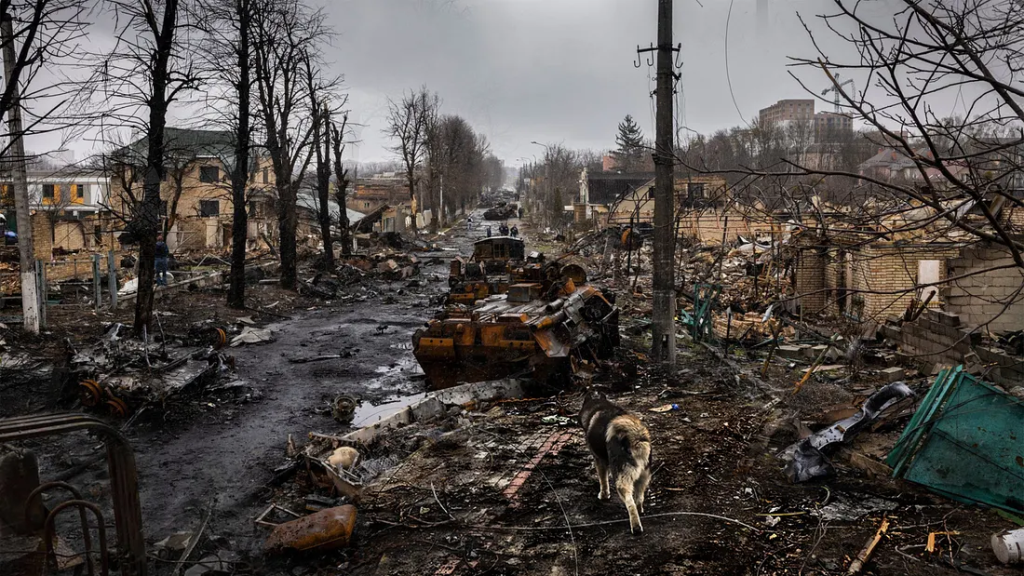
So we must think the unthinkable. War might come to your country. Especially when that country is in Western Europe. I cannot and will not make predictions about when or to what extent this will happen. My guess is the time frame could be anywhere from a few months to a few years.
This begs the question. What do you do when you know that war is coming? How can you prepare? How should you prepare?
I Don’t Have the Answers
Okay, now that I primed you, I should give you a list of things you need to do to prepare. I don’t have such a list. Nobody does. Instead, I want to encourage you to give it some thought about it. What can you do to prepare yourself and your family for war? The answers can be very different, depending on your situation.
Take the area where I currently live. You can find critical military infrastructure, air bases and arms production facilities here. So it is safe to say that my city and its surrounding areas would be a prime military target. If you live far in the countryside, that may be a different story. The country you life in makes a difference, as well. In the context of war, Germany is very different from, say, Ireland.
Still, I would like to offer some general thoughts on this matter. Things, that I have concluded are important to prepare for.
Do you enjoy this piece?
If you find value in independent writing, consider supporting this site with a small contribution, or read the mirrored version for free on Medium.
Support Alexander Benesch - Embracing the Open Future
Some Key Measures You Can Take
Self-Sufficiency Initiatives
If you have the option to grow at least some of your own food, you should make use of it. In case of war, you can expect severe disruptions in supply chains for everyday items, like food. I do not think prepping and holding out in a bunker is a viable strategy. But if you can source some local food in your own garden, on your balcony, you can absorb some of the consequences. If you can organise community efforts around it, even better.
Stocking Up
I did say in the previous paragraph that I do not think prepping in a bunker is a viable option. But that does not mean that you cannot stock up on some needed items. Water, for one. Canned foods can be an option, or any food that is not easily perishable. But ideally, you can combine that with #1 above. Maybe now is the time to learn how to preserve your harvest, make jam or other canned food. If you can harvest rainwater, you absolutely should.
Grid Independence.
You cannot rely on the public grid to function seamlessly in case of an emergency. Fortunately, grid independence can be rather easy to achieve, even if you do not own your own house.
- You can acquire solar panels and batteries to provide electricity. Fortunately, this is still relatively cheap. Your local building supply store might have some good offers right now. If you cannot afford it right now, you should definitely aim to make that your next investment. I got 800 W solar capacity and a 3000 Wh battery for less than 2000€.
- Get a compost toilet or build one. You can find great guides for DIY compost toilets, or buy one at a relatively low cost. They are also relatively easy to maintain and you can even take it with you if you ever need to flee.
You May Need to Build Some Skills
This is a key factor. In an uncertauin world, where supply chains are unreliable and institutional frameworks collapse, you need to become self-reliant. Again, this does not mean hunkering down in some bunker. But it means, you need to get serious about skill building. If you ask me, there are two skill categories you need to prioritize.
Practical Skills
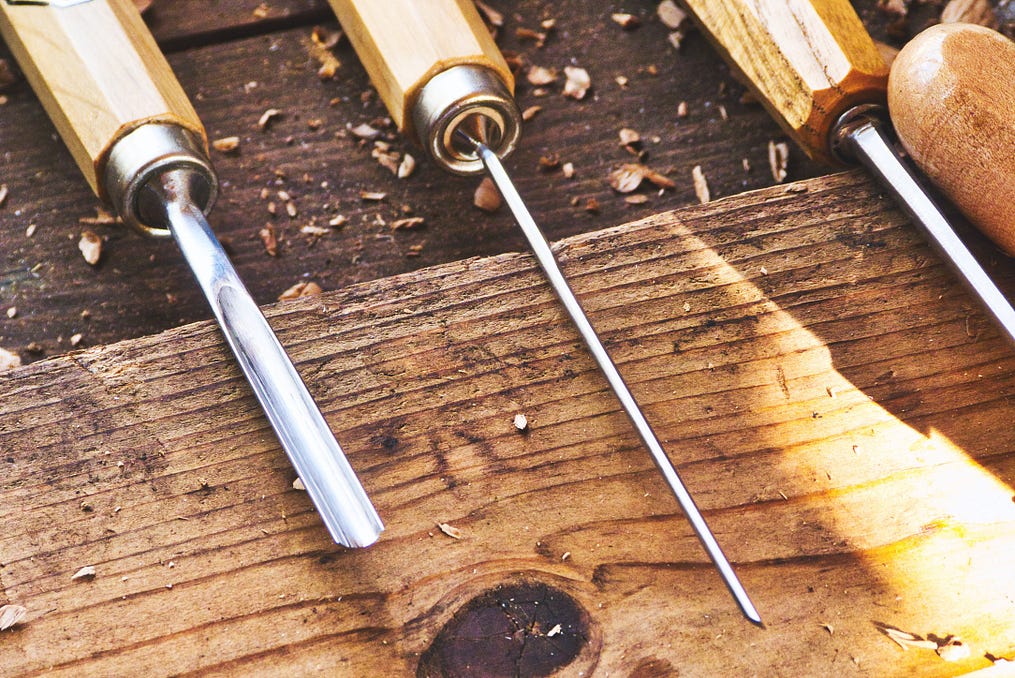
When your country is at war, your plumber might very well be fighting and dying on the front. So you need to have as many basic skills as you can, to keep things from breaking down around you. If you never held a hammer before in your life, now is the time to learn it. If you have never grown a vegetable plant before, you should try it now. Go ahead, take apart your old electronic devices and try to figure out how they work. Get some basic knowledge about mechanics, carpentry, or home improvement.
Social Skills
When the crisis hits, you can not just stay on your own. That is when community building matters. If you have been gaming alone in your basement for years, it might be time to go out and meet people. Start organising local events in your neighbourhood. Your physical and psychological well-being may depend on it. Go volunteer. Hone your leadership skills by taking the lead on projects at work or in your leisure time. Write and hold presentations, so you can communicate effectively.
Our survival is only guaranteed if we think and act collectively. That is how humans a evolutionary wired. And this is how we survived as a species. This is the biggest fallacy of the bunker-preppers.
Maintaining Flexibility and Planning Ahead
There is one thing we know about war. It usually forces people to flee. Your country will not be an exception to that rule. When your home gets bombed, no amount of home improvement will save you. So you need to prepare yourself mentally and practically for that worst-case scenario.
One question to think about is the where. Where do you go when you need to flee? Do you have a social network elsewhere? In another country? Which country or region is safest for you and your family? Why do you think so?
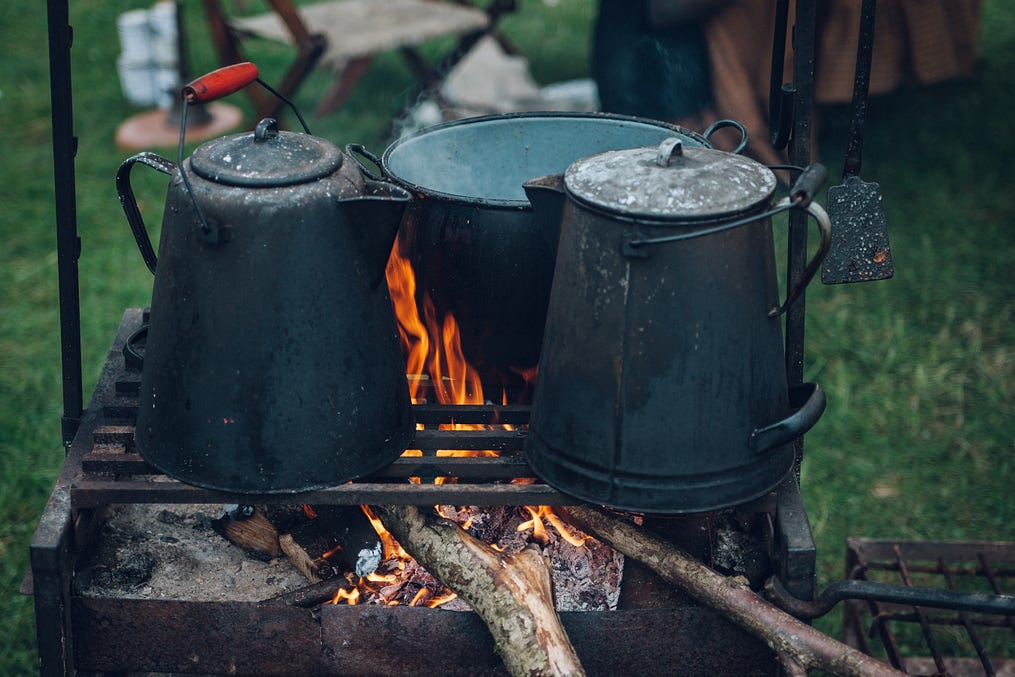
But you should also think about the how. How can you go about it? Has the time come to once and for all go for that dream of building a second home inside an old van? Can you convert your car into a bedroom if you need to? Do you have some survival equipment like tents, camping stoves, and tools ready? Do you have friends or relatives that can host you if need be? Can you grab your important documents like passports and birth certificates any time? Do you have some cash in case the ATM will no longer work? Is there food and water so you can get by for a few days or weeks?
But then there is also a third question worth thinking about. The when. When is the time that you initiate that evacuation plan? What are the circumstances that will prompt you to leave your beloved home? You may want to think about this already now, while you still have time and things are somewhat peaceful. Where is your red line? Is it when the draft letter comes? Or do you wait till the bombs actually strike your hometown?
Yes, It Is an Uncomfortable Thought
I know full well, that an article like that might sound like fear mongering. But I stand by what I wrote so far. I think about this a lot lately. I wish I wouldn’t need to. But I think we need to confront the reality that our political leaders are not fit for the task of crafting diplomatic efforts that can prevent the unthinkable. Heck, they already are overwhelmed by the task of doing a bit more for our climate that doesn’t even cost anything.
One of the most important lessons from World War 1 is that nobody actually wanted the war. The leaders just sleepwalked into it. This is the danger I see. This is what thoughtless escalation always leads to.
But we cannot influence the stupidity of our political and journalistic elite. So there is only one thing we can do. Prepare. And part of that preparation is to think the unthinkable. That your country may be entangled in a war for real in the years to come. Your best chance of getting through this is by preparing for this eventuality.
The thoughts I give here are rather general, I know. But I cannot provide you with a detailed list because the circumstances can vary a lot from region to region. Even from household to household. But I hope that I could at least give you some general guidelines about how you can go about your preparations. If you think I forgot something, feel free to join the discussion on Medium.